04/03/2025 – San A Hamby Town

Check out my weekly finds at San A Hamby Town!
This week, I was on a mission to gather local, seasonal produce for my Kokuto Tepache and Shima Rakkyo Kimchi.
But as usual, I found myself getting lost in the aisles, exploring all the exciting new products.
My biggest takeaway from this trip?
Labels!
I was surprised to learn that not all packaged meats are created equal. It’s so easy to get distracted by the endless array of deli cuts, especially when they all look so similar…
I also picked up some great tips on identifying local produce, discovered some fantastic organic products, and even grabbed something totally new that I hadn’t tried before!
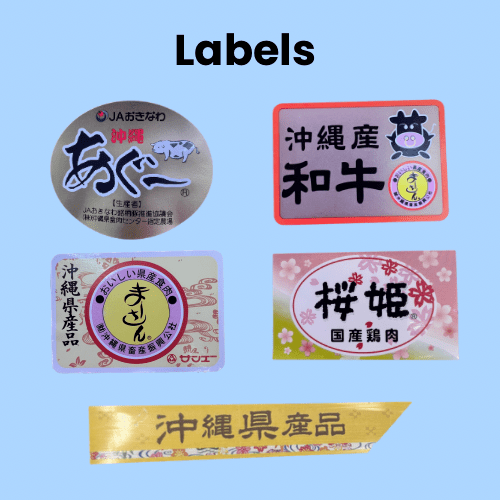
Let’s start with meat labels. I typically buy pork, chicken, and beef off-base because the quality and price are hard to beat. But what I never really noticed before were the small details on the packaging!
In the U.S., we’re accustomed to bold, colorful labels that stand out. However, off-base here in Okinawa, the packaging is much more subtle, often featuring similar colors and fonts that can make it harder to distinguish between products at first glance.
Take a look at these two pork labels—both promote locally sourced pork, but only one specifies that it’s Agu pork, a prized native Okinawan breed known for its rich flavor and higher fat content.
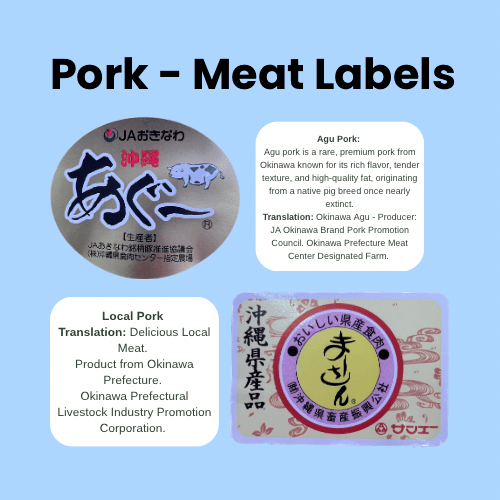
Now take a look at this American pork label—it highlights that the pork is corn-fed, which is a common marketing point in the U.S. At first glance, there doesn’t seem to be much that sets it apart from the others. But if you look closely, you’ll notice a small American flag icon on the bottom left of the package—an easy-to-miss detail that signals it’s imported. It’s subtle, but once you know what to look for, it becomes a lot easier to identify!
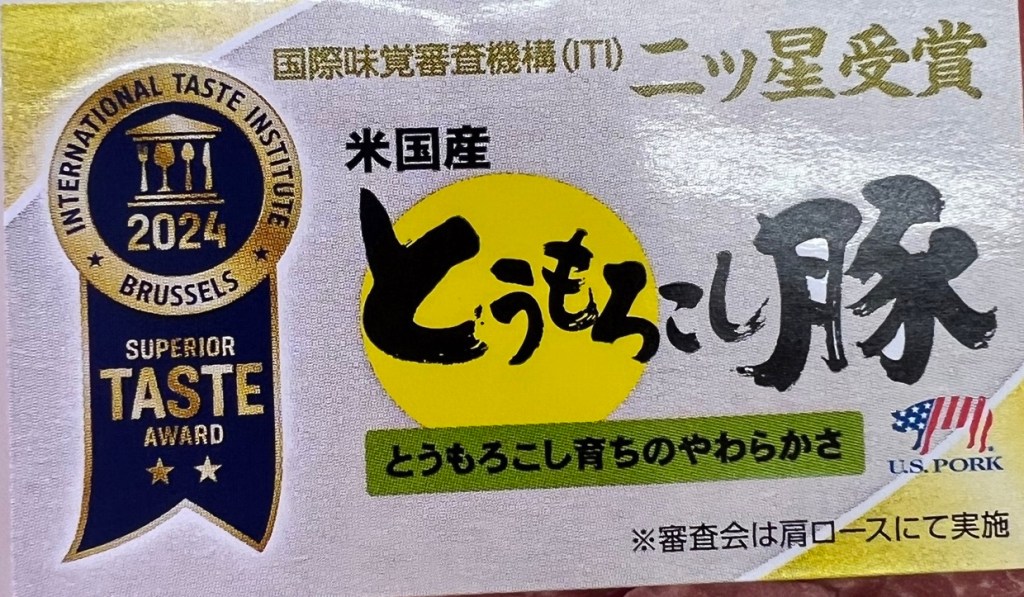
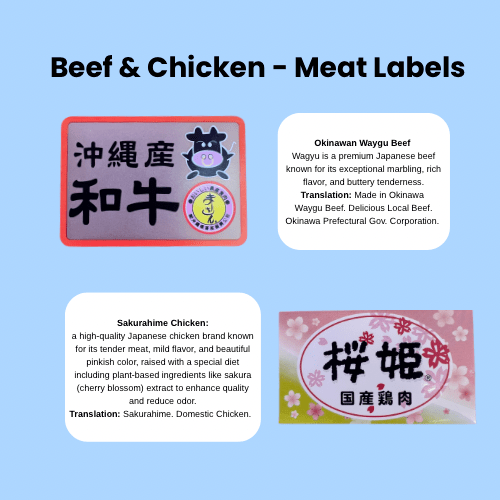
Now let’s talk chicken and beef labels. There are tons of options available, but these two brands really stood out to me thanks to their eye-catching labels—and both are locally sourced, which I love to support.
One thing that’s important to note is Japan’s strict regulations around animal growth hormones. Unlike in the U.S., Japan bans the use of growth hormones in livestock, which means you’re generally getting cleaner, more naturally raised meat when shopping off-base. Still, reading labels closely can help you spot the best options for quality and source.
Moving on to Produce labels
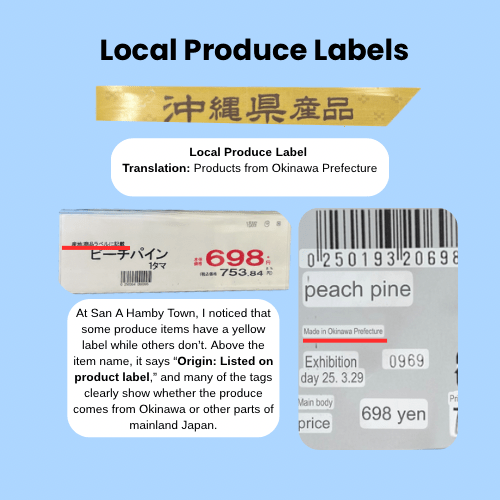
At San A, I learned that while some local produce is clearly highlighted, not everything that’s local gets a flashy label. For example, the spinach I picked up had a large, bright yellow label noting it was grown in Okinawa. But right next to it, another bundle of produce had a much more plain label—the kind you see on most items. At first glance, it didn’t stand out, but a closer look at the item’s tag revealed it also said “Made in Okinawa”. So just because something isn’t highlighted doesn’t mean it’s not local—you just might have to dig a little deeper!
Organic products
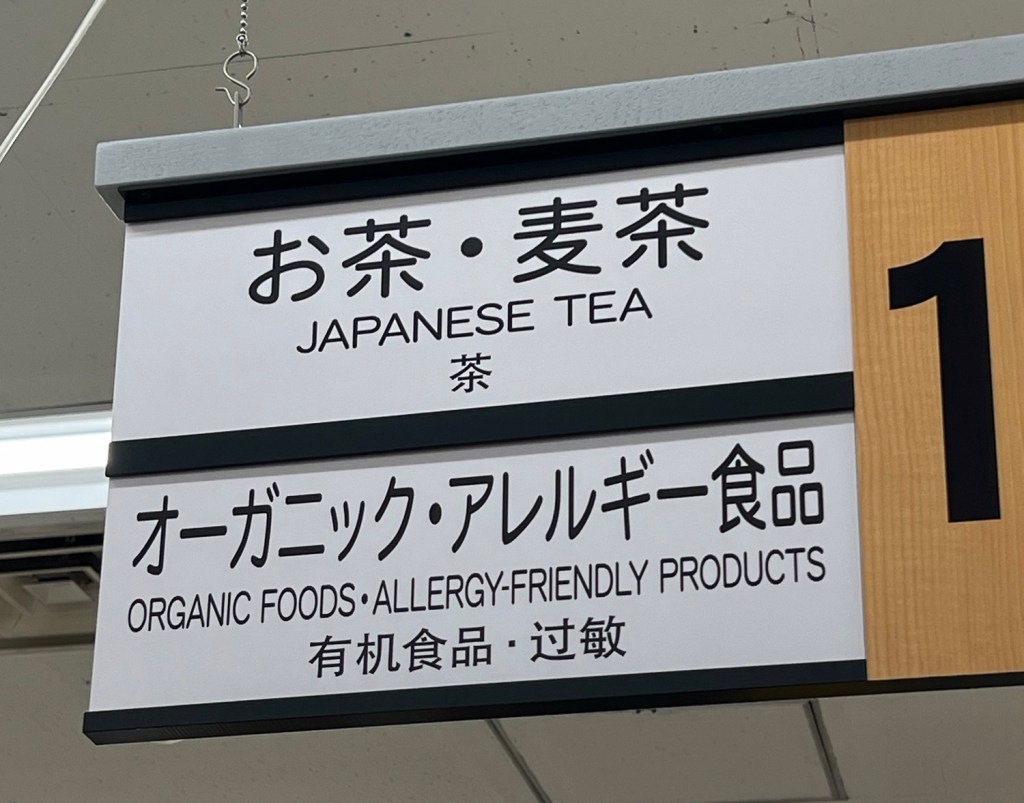
I was pleasantly surprised to find that San A Hamby Town has an entire aisle dedicated to organic products! While not every organic item in the store is located there, a good majority of them are!
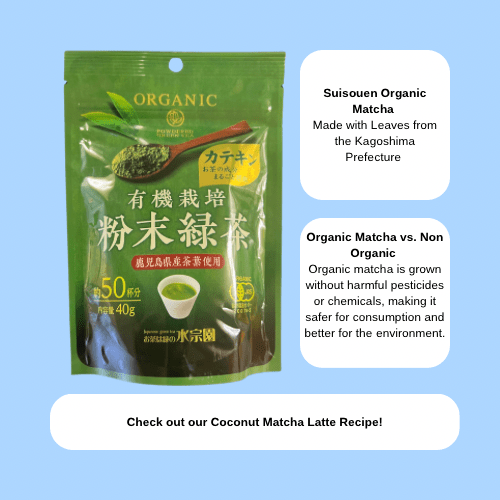
When shopping for organic goods in Japan, always keep an eye out for the JAS organic logo—

it’s the official certification mark that ensures the product meets Japan’s organic standards. It’s a small detail that makes a big difference in knowing what you’re really getting!
These are some of the organic items I purchase from this isle.
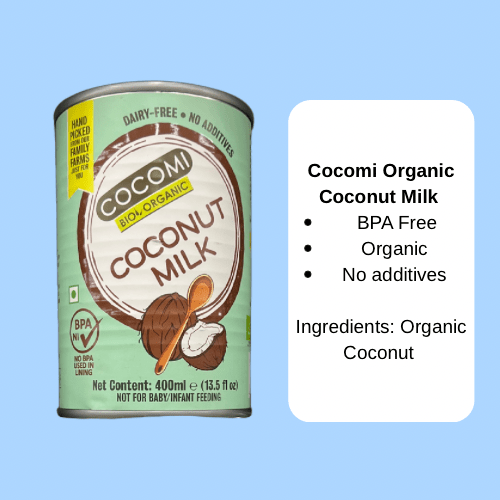
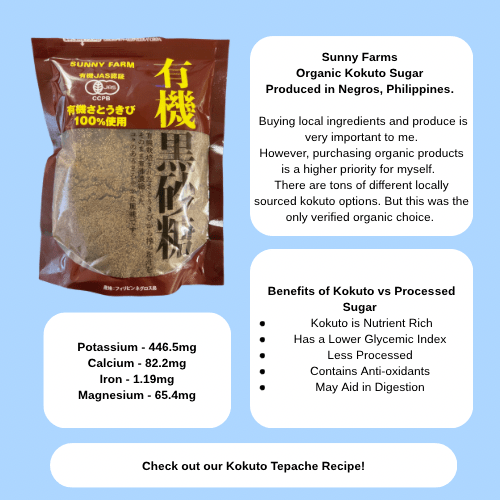
Speaking of milk…
Okinawan grocery stores offer plenty of choices, but I gravitate toward low-pasteurization milk. It’s as close as you can get to raw milk while still being shelf-legal, and it retains more of the natural enzymes, beneficial bacteria, and nutrients that support digestion, calcium absorption, and gut
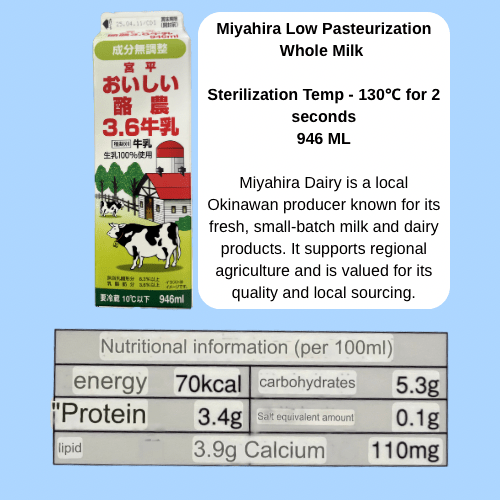
This brand comes from a local Okinawan dairy farm, which makes it an easy yes for freshness and traceability.
Lastly, my newest pantry addition… Forbidden Black Rice.
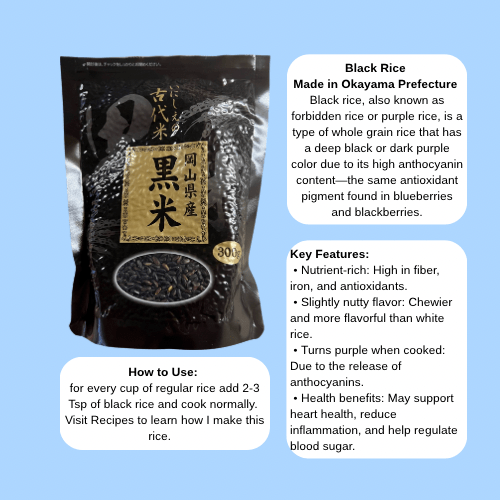
Sometimes called “emperor’s rice,” this nutrient-dense grain was once reserved exclusively for royalty in ancient China. Its deep purple hue comes from anthocyanins—powerful antioxidants also found in blueberries—that support everything from heart and eye health to blood sugar balance. It’s also naturally gluten-free, high in fiber, and rich in amino acids, making it a great option for gut and overall health.
The bag I picked up was grown in Okayama Prefecture, a region in Japan known for its fertile soil and high agricultural standards—especially for grains, peaches, and premium rice production.
Shopping in Okinawa is a fun adventure—every trip brings something new to discover! From learning how to read meat labels to finding low-pasteurization milk and supporting local farms, it’s all about making better choices for your health and your family. Whether you’re trying out a new recipe or stocking up on fresh, local produce, each trip is a step toward a healthier, more mindful lifestyle.
So, next time you’re at the store, take a moment to check out those labels and embrace the local options. Happy shopping!
 PCS Pantry