How to Read Japanese Food Labels Like a Pro
Navigating a grocery store in Japan can feel like cracking a secret code—especially when you’re trying to make mindful choices about what goes into your food. Japanese food labels follow a specific format, and once you know what to look for, they become much easier to understand. Here’s a breakdown to help you shop with confidence.
Ingredients (原材料名 – Genzairyoumei)
Ingredients are listed in order from highest to lowest quantity. If you’re looking to avoid unnecessary additives, check the end of the list—this is where preservatives, artificial flavors, and other extras usually hide.
A few common ones to keep an eye on:
• アミノ酸等 (Amino-san tou) – Flavor enhancers (often MSG)
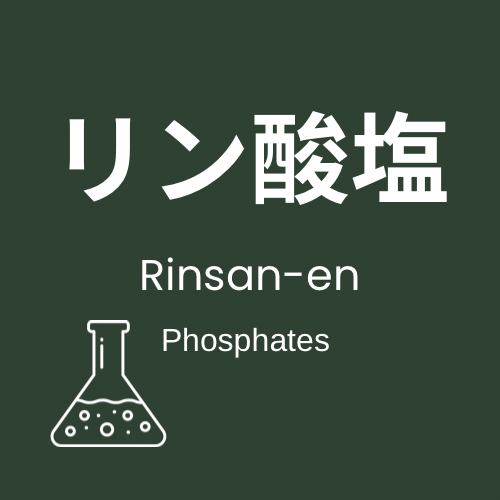
• リン酸塩 (Rinsan-en) – Phosphates (used in processed meats)
• 着色料 (Chakushokuryou) – Artificial coloring
• 保存料 (Hozonryou) – Preservatives
Tip: If you’re trying to keep things clean, shorter ingredient lists are usually a good sign!
Allergens (アレルギー物質 – Arerugī Busshitsu)
Japan has strict allergen labeling, which is great if you have dietary restrictions.
The seven major allergens that must be listed are:
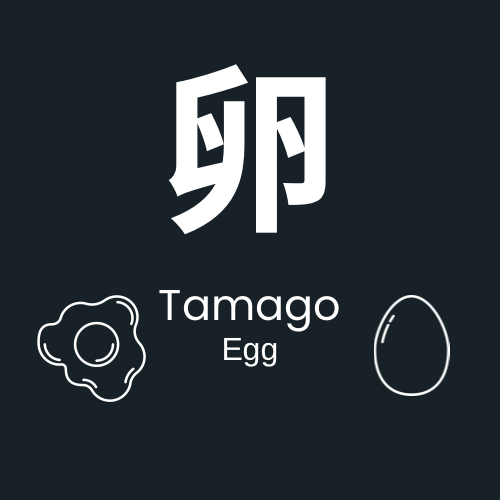
• 卵 (Tamago) – Egg
• 乳 (Nyuu) – Dairy
• 小麦 (Komugi) – Wheat
• そば (Soba) – Buckwheat
• 落花生 (Rakkasei) – Peanuts
• えび (Ebi) – Shrimp
• かに (Kani) – Crab
(These are often bolded or listed separately to make them easier to spot).
Nutritional Info (栄養成分表示 – Eiyou Seibun Hyouji)
If you’re checking for macros, here’s what you’ll find:
• エネルギー (Enerugī) – Calories
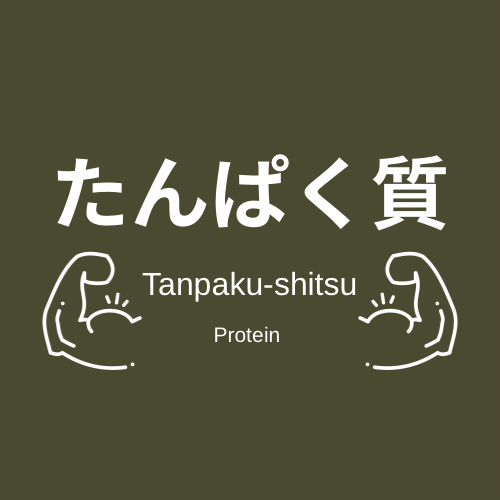
• たんぱく質 (Tanpaku-shitsu) – Protein
• 脂質 (Shishitsu) – Fat
• 炭水化物 (Tansuikabutsu) – Carbohydrates • 食塩相当量 (Shokuen Sōtōryō) – Sodium (literally “salt equivalent”)
Most labels show this per 100g, so keep that in mind when portioning.
Tip: Purchase a food weight scale that uses the metric system.
Where Your Food Comes From (原産国 & 原料原産地 – Gensankoku & Genryou Gensanchi)
If you’re trying to prioritize local or organic foods, these terms are helpful:
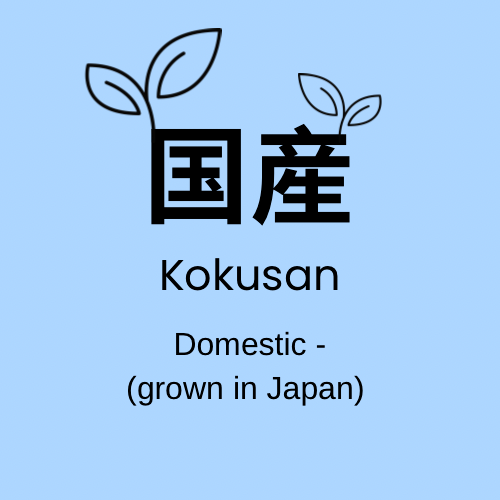
• 国産 (Kokusan) – Domestic (grown in Japan)
• 輸入 (Yunyuu) – Imported
• 原料原産地 (Genryou Gensanchi) – Origin of raw ingredients (if different from the manufacturing country)
Some products may list the farm region or prefecture, especially for rice, produce, and meat.
Expiration Dates: What’s the Difference?
• 賞味期限 (Shoumi Kigen) – “Best before” date (used for shelf-stable foods like snacks and canned goods)
• 消費期限 (Shouhi Kigen) – “Use by” date (for perishables like fresh meat, dairy, and ready-to-eat meals)
If you’re used to the U.S. system, it helps to know that “best before” in Japan means the food is still safe to eat afterward but may lose peak quality, while “use by” means you should finish it by that date.
Understanding labels can take some practice, but once you know what to look for, you’ll be able to spot clean ingredients, avoid unwanted additives, and shop with more confidence.
 PCS Pantry